
-
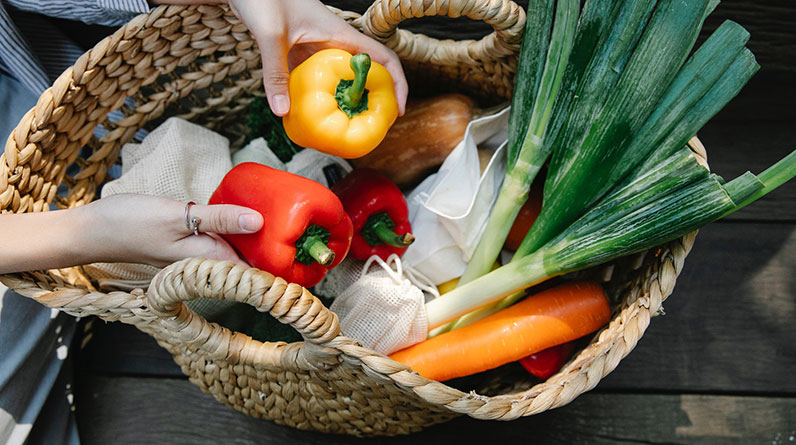
Harvesting and Storing Hydroponic Produce Hydroponic agriculture offers several advantages over soil-grown crops. For one thing, hydroponic systems don’t need soil-based nutrient solutions or pesticides and herbicides like their soil…
Continue Reading » -
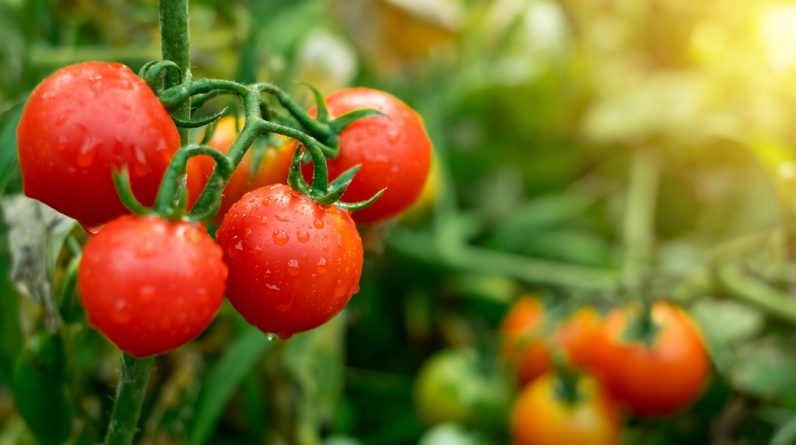
Why Grow Tomatoes in a Hydroponic Garden? Tomatoes are an excellent plant to grow in hydroponic garden because they are one of the most popular and widely consumed vegetables…
Continue Reading » -
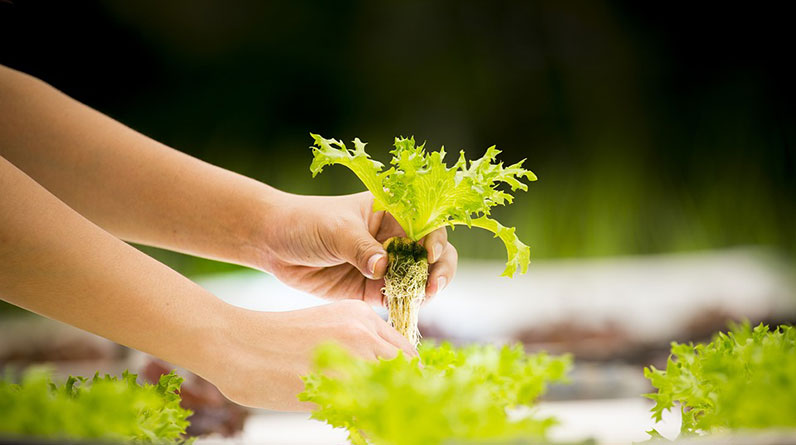
Can I build my own Hydroponic Gardening System? Yes, you can definitely build your own hydroponic gardening system. Hydroponic gardening is a method of growing plants in a nutrient-rich water…
Continue Reading » -
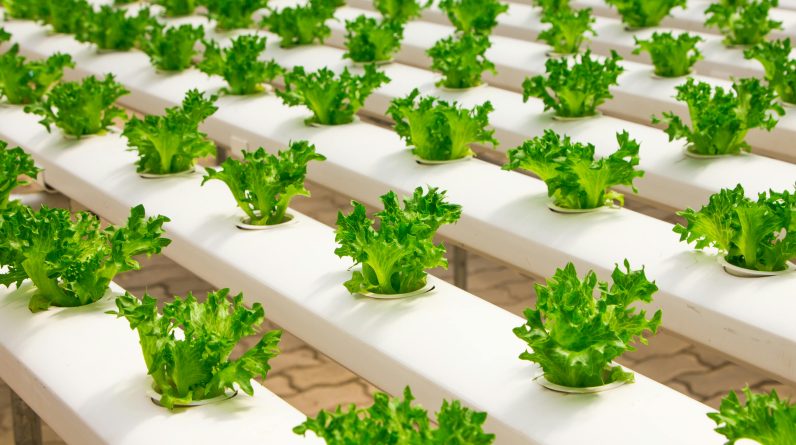
Discover why hydroponic leafy greens are superior to soil-grown varieties. Learn about the benefits and advantages of hydroponic systems for cultivating fresh produce.
Continue Reading »

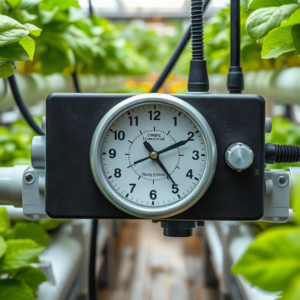
Hydroponic System Timers for Feeding Schedules — Cycle Lengths by Growing Method
Hydroponic system timers for feeding schedules should be set according to the growing method, root-zone moisture, pump flow, and the crop’s stage rather than a universal hourly formula. Drip systems usually need short, repeated irrigations, while ebb-and-flow tables require enough runtime to flood and drain the tray completely; NFT pumps commonly run continuously.
Read More »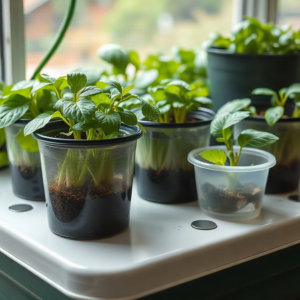
Hydroponic Gardening With Recycled Household Containers for Herbs, Lettuce, and Seedlings
Hydroponic gardening with recycled household containers works well for herbs, lettuce, and seedlings when each vessel is food-safe, opaque, easy to sanitize, and deep enough to keep roots in nutrient solution without submerging the plant crown.
Read More »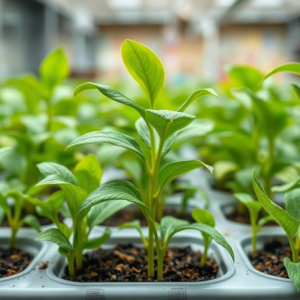
Hydroponic Plants Wilting After Reservoir Filling — Causes, Checks, and Recovery Timing
Hydroponic plants wilting after reservoir filling usually indicates that the refill changed root-zone oxygen, nutrient concentration, pH, temperature, or solution depth faster than the roots could tolerate. First verify that roots are not newly submerged above their normal level, the air pump or circulation pump is operating, and concentrated nutrients were diluted before contacting roots.
Read More »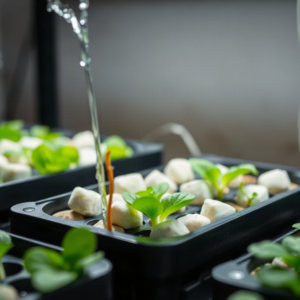
How to Clean Hydroponic Air Stones Safely (Steps, Soaking Time, and Replacement Signs)
Clean hydroponic air stones safely by disconnecting the air pump, rinsing away loose residue, and soaking the stones in a diluted disinfecting solution before rinsing and drying them completely. Use either one part unscented household bleach to nine parts water for about 10 minutes or 3% hydrogen peroxide without mixing the two chemicals.
Read More »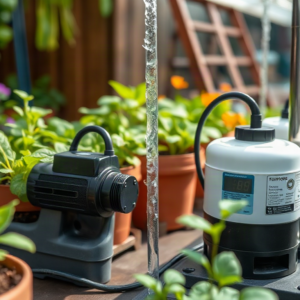
Pump Sizing for Hydroponic Container Gardens: Flow, Head Height, and Turnover Calculations
Pump sizing for hydroponic container gardens should be based on the required flow at the system’s actual head height, not the pump’s unrestricted gallons-per-hour rating. Add the flow needed by all drip emitters, channels, or return lines, then check the manufacturer’s pump curve at the vertical lift from the reservoir surface to the highest outlet.
Read More »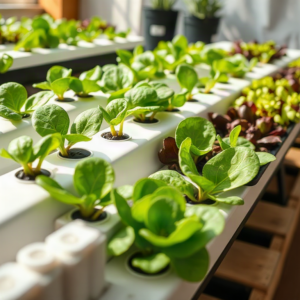
Hydroponic Gardening for Salad Greens Succession Planting With a Weekly Sowing Plan
The best plan for Hydroponic gardening for salad greens succession planting is the interval that matches measured harvests to realistic kitchen demand.
Read More »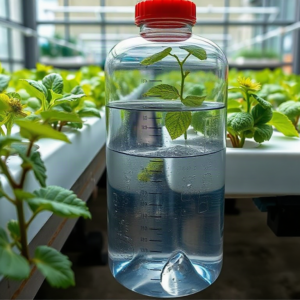
Hydroponic System Water Level Markings Explained: Fill Lines, Operating Ranges, and Calibration Mistakes
Hydroponic system water level markings identify safe fill limits and operating ranges, but their meaning changes with reservoir design and pump status. A maximum line protects air space and prevents overflow, while a minimum line indicates the lowest volume that can reliably cover a pump inlet or maintain the intended root-zone contact.
Read More »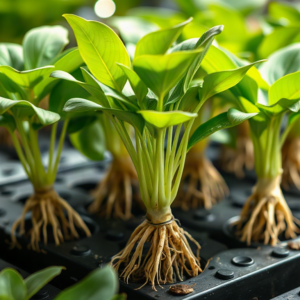
When Hydroponic Plants Are Ready for Transplanting (Readiness Signs and Timing Mistakes)
Hydroponic plants are ready for transplanting when they have several true leaves, a compact network of pale roots, and enough stem strength to remain upright without stretching or collapsing. Roots should hold the starter plug together but should not be densely circling, discolored, slimy, or badly tangled with neighboring seedlings.
Read More »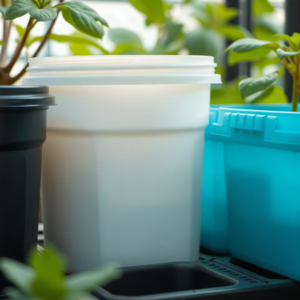
Choosing Food-Safe Containers for Hydroponics: Materials, Labels, and Reuse Mistakes
Choose food-safe containers for hydroponics by verifying documented food-contact use, selecting an appropriate material, and confirming the container has never held hazardous substances. HDPE and polypropylene are common practical choices, while opaque walls help keep light from reaching the nutrient solution and encouraging algae.
Read More »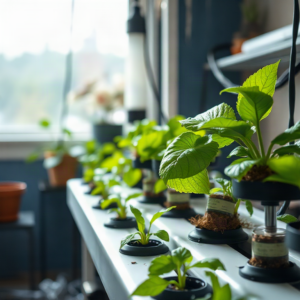
Insurance and Household Safety Concerns for Hydroponic Systems: Coverage Gaps, Fire Risks, and Prevention Steps
Insurance and household safety concerns for hydroponic systems center on whether a home policy covers water damage, electrical fires, equipment losses, and liability arising from an indoor installation. Owners should disclose substantial equipment or structural changes to their insurer, confirm coverage limits and exclusions in writing, and keep pumps, lights…
Read More »